Top ecommerce niches with high profit margins sets the stage for this enthralling narrative, offering readers a glimpse into a story that is rich in detail and brimming with originality.
As we delve into the world of ecommerce, we uncover hidden gems that promise substantial returns and exciting ventures for those willing to explore.
Identifying Profitable Ecommerce Niches
In the world of ecommerce, choosing the right niche is crucial for ensuring high profit margins. Here are some key points to consider when identifying profitable ecommerce niches:
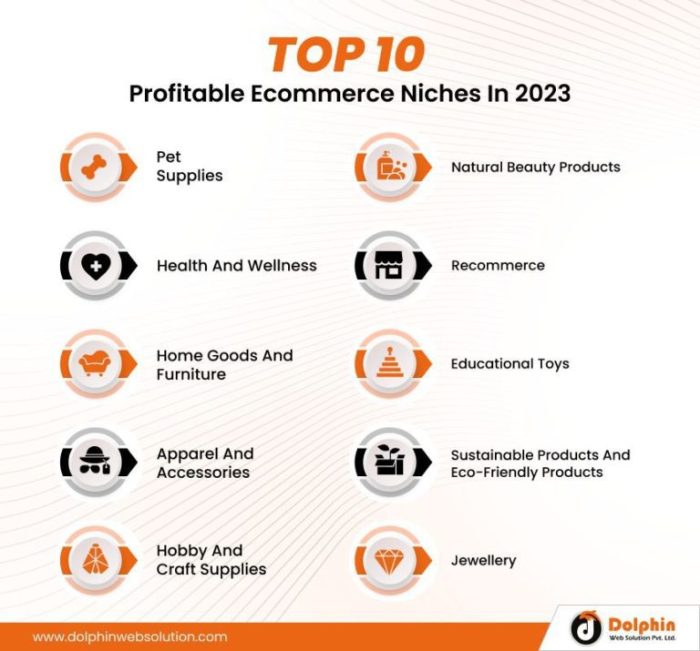
List of Top Ecommerce Niches with High Profit Margins
- Health and Wellness Products
- Beauty and Skincare
- Tech Accessories and Gadgets
- Home Fitness Equipment
- Pet Supplies
Criteria for Assessing Profit Potential of an Ecommerce Niche
When evaluating the profit potential of an ecommerce niche, consider factors such as demand, competition, profit margins, target audience, and trends in the market.
Importance of Market Research in Identifying Profitable Niches
Market research plays a crucial role in identifying profitable niches by providing insights into consumer behavior, competition analysis, and emerging trends. By conducting thorough market research, ecommerce entrepreneurs can make informed decisions and capitalize on lucrative opportunities in the market.
Product Selection Strategies
When it comes to selecting products within high-profit ecommerce niches, it is essential to consider various strategies that can help maximize profitability. One key decision that ecommerce businesses often face is whether to opt for dropshipping or hold inventory. Each approach has its pros and cons, and the choice can significantly impact profit margins.
Additionally, unique product selection approaches can also play a crucial role in boosting profitability by setting a business apart from competitors.
Dropshipping vs. Holding Inventory
- Dropshipping:
- Pros:
- Lower upfront costs as you do not need to invest in inventory.
- Reduced risk of unsold inventory.
- Ability to offer a wider range of products without the need for storage space.
- Cons:
- Lower profit margins due to fees paid to dropshipping suppliers.
- Limited control over product quality and shipping times.
- Higher reliance on third-party suppliers.
- Pros:
- Holding Inventory:
- Pros:
- Potential for higher profit margins by cutting out middlemen fees.
- Greater control over product quality and shipping times.
- Opportunity to bundle products and offer promotions.
- Cons:
- Higher upfront costs for purchasing and storing inventory.
- Risk of unsold inventory leading to potential losses.
- Need for adequate storage space and inventory management.
- Pros:
Unique Product Selection Approaches
- Curated Collections:
- Creating curated collections based on trends or themes can attract customers looking for a cohesive shopping experience.
- By bundling complementary products together, you can increase the average order value and cross-sell effectively.
- Private Labeling:
- Developing your own branded products through private labeling can help differentiate your business and increase brand loyalty.
- By offering exclusive products that cannot be found elsewhere, you can justify higher prices and build a dedicated customer base.
- Seasonal Promotions:
- Capitalizing on seasonal trends and holidays with limited-time promotions can create a sense of urgency and drive sales.
- By strategically timing product launches and discounts, you can maximize revenue during peak shopping seasons.
Marketing and Branding Techniques
In the world of ecommerce, effective marketing and branding play a crucial role in driving sales and increasing profit margins. By implementing the right strategies, businesses can create a competitive edge and attract a loyal customer base.
Utilizing Influencer Marketing
Influencer marketing has become a popular and effective way to promote products in high-profit ecommerce niches. Partnering with influencers who have a large and engaged following can help increase brand visibility and credibility. By leveraging the influence of these individuals, businesses can reach a wider audience and drive sales.
Creating a Strong Brand Identity
Branding is essential for standing out in a crowded market and building customer loyalty. By developing a strong brand identity that resonates with your target audience, you can differentiate your products from competitors and command higher price points. Consistent branding across all channels helps establish trust and credibility with customers.
Harnessing the Power of Social Media
Social media platforms are powerful tools for promoting products and engaging with customers in high-profit ecommerce niches. By creating compelling content and engaging with followers, businesses can build a strong online community and drive sales. Utilizing targeted advertising on platforms like Facebook and Instagram can help reach specific demographics and increase conversion rates.
Pricing Strategies for Profit Maximization
In the competitive world of ecommerce, pricing strategies play a crucial role in maximizing profit margins. Finding the right balance between attracting customers and maintaining high margins is essential for the success of any online business. Let's explore some key pricing strategies that can help ecommerce businesses achieve profit maximization.
Dynamic Pricing and its Impact
Dynamic pricing is a strategy where prices are adjusted in real-time based on market demand, competitor pricing, and other factors. This strategy allows ecommerce businesses to optimize prices for maximum profitability. By analyzing data and trends, businesses can set prices dynamically to respond to changes in the market quickly.
However, it's essential to monitor the strategy carefully to avoid pricing wars and maintain customer trust.
Balancing Pricing for Customer Attraction and Margin Maintenance
1. Value-Based Pricing
Set prices based on the perceived value of the product to the customer rather than solely on production costs. This strategy allows you to capture the willingness of customers to pay for what they value.
2. Psychological Pricing
Use pricing techniques like charm pricing (ending prices in 9 or 99), bundle pricing, or anchor pricing to influence customer perception and increase sales.
3. Competitor-Based Pricing
Monitor competitor prices and adjust your pricing strategy accordingly. Offer competitive prices while highlighting the unique value proposition of your products to stand out in the market.
4. Discount and Promotion Strategy
Use discounts and promotions strategically to attract customers without compromising profit margins. Create a sense of urgency with limited-time offers or exclusive deals to drive sales.
5. Subscription Model
Implement subscription-based pricing for recurring revenue streams. Offer subscription plans with added value to encourage customer loyalty and increase lifetime value.Implementing a combination of these pricing strategies can help ecommerce businesses maximize profit margins while staying competitive in the market.
Last Word
In conclusion, the journey through top ecommerce niches with high profit margins has unveiled a landscape ripe with potential and profitability, inviting entrepreneurs to seize the opportunities that lie ahead.
Popular Questions
What criteria should I consider when assessing the profit potential of an ecommerce niche?
Factors such as market demand, competition, target audience size, and profit margins should be evaluated to determine the profit potential of an ecommerce niche.
How can branding contribute to increasing profit margins in high-profit ecommerce niches?
Effective branding helps build trust, loyalty, and recognition, allowing businesses in high-profit niches to command premium prices and attract a loyal customer base, ultimately boosting profit margins.
What are some unique product selection approaches that can enhance profitability in ecommerce?
Curating limited edition collections, offering personalized products, and utilizing influencer collaborations are innovative product selection approaches that can differentiate ecommerce businesses and drive profitability.