
With Best ecommerce platforms for global sellers in 2025 at the forefront, this guide opens the door to a world of possibilities, offering insights and trends that will shape the future of online selling.
Delve into the realm of ecommerce platforms and discover what makes them stand out in the global market landscape.
Explore the Current Landscape
In 2025, the ecommerce industry continues to evolve rapidly, with global sellers relying on a variety of platforms to reach customers worldwide. Let's delve into the current landscape of the top ecommerce platforms preferred by global sellers.
Top Ecommerce Platforms in 2025
- Amazon: With its vast reach and customer base, Amazon remains a dominant force in the ecommerce space, attracting global sellers looking to tap into its expansive marketplace.
- Shopify: Known for its user-friendly interface and robust features, Shopify has gained popularity among global sellers seeking to create customizable online stores.
- Alibaba: As a leading platform for business-to-business (B2B) transactions, Alibaba is a go-to choice for global sellers looking to connect with suppliers and buyers worldwide.
Market Share Statistics
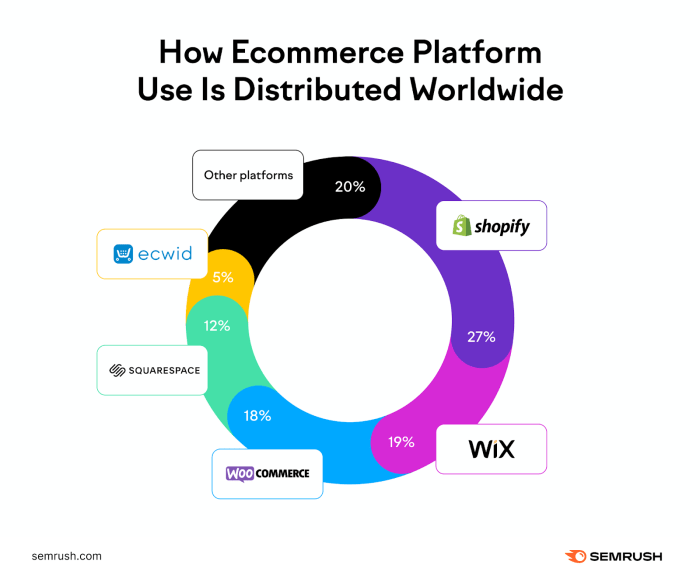
According to recent data, Amazon holds a significant market share of around 45% in the global ecommerce market, followed by Shopify at 20% and Alibaba at 15%.
Key Features and Functionalities
- Multi-currency support: These platforms offer the flexibility for global sellers to conduct transactions in various currencies, catering to customers from different regions.
- International shipping options: With seamless integration of shipping carriers, global sellers can easily manage and track shipments to deliver products worldwide.
- Localization tools: The platforms provide tools for language translation, currency conversion, and region-specific marketing strategies to enhance the shopping experience for international customers.
Emerging Trends in Ecommerce Platforms
In the ever-evolving landscape of ecommerce platforms for global sellers, several trends have emerged that are shaping the future of online retail. Innovations such as AI integration, AR/VR technologies, blockchain, and more are revolutionizing the way businesses operate and engage with customers.
AI Integration in Ecommerce
Artificial Intelligence (AI) is being increasingly integrated into ecommerce platforms to enhance customer experience and streamline operations. AI-powered tools can analyze customer data, personalize recommendations, automate customer service, and improve inventory management.
AR/VR Technologies for Enhanced Shopping Experience
Augmented Reality (AR) and Virtual Reality (VR) technologies are being utilized to provide customers with immersive shopping experiences. By allowing customers to visualize products in real-world settings or try them virtually, AR/VR technologies are increasing customer engagement and reducing return rates.
Blockchain for Secure Transactions
Blockchain technology is being adopted to ensure secure transactions and enhance transparency in ecommerce. By providing a decentralized and tamper-proof ledger, blockchain technology can help prevent fraud, streamline supply chain management, and build trust among global sellers and customers.
Customization and Localization Capabilities
Customization options play a crucial role for global sellers as they allow businesses to tailor their online stores to meet the specific needs and preferences of customers from different regions. This helps create a personalized shopping experience, which can lead to higher customer satisfaction and increased sales.
Comparison of Localization Features
Different ecommerce platforms offer various localization features to help sellers reach a wider audience and improve the shopping experience for customers in different regions. Let's compare some of the key localization capabilities provided by popular ecommerce platforms:
- Shopify: Shopify offers multilingual capabilities, allowing sellers to create different versions of their store in various languages. This helps in reaching a global audience more effectively.
- WooCommerce: WooCommerce provides geotargeting features, enabling sellers to display region-specific content, pricing, and shipping options based on the customer's location. This helps in creating a more personalized shopping experience.
- BigCommerce: BigCommerce offers built-in currency converters, making it easy for global sellers to display prices in different currencies. This feature simplifies the purchasing process for international customers.
Enhancing User Experience with Customization and Localization
Customization and localization can greatly enhance the user experience for global customers by making their shopping journey more seamless and enjoyable. For example:
- Personalized Content: By customizing product recommendations and displaying content in the customer's preferred language, sellers can create a more engaging shopping experience.
- Localized Shipping Options: Offering region-specific shipping options and pricing can help reduce cart abandonment rates and improve customer satisfaction.
- Adapting to Cultural Preferences: Customizing product images, colors, and even payment methods to align with the cultural preferences of different regions can increase trust and loyalty among global customers.
Integration with Global Payment Gateways
Global ecommerce platforms must offer seamless integration with a variety of payment gateways to cater to the diverse needs of international sellers.
Supported Payment Gateways
- Shopify: Supports over 100 payment gateways including PayPal, Stripe, and Amazon Pay, offering flexibility for global transactions.
- BigCommerce: Integrates with popular gateways like Square, PayPal, and Stripe, enabling secure payments from customers worldwide.
- WooCommerce: Offers extensions for gateways such as Authorize.Net, 2Checkout, and WorldPay, ensuring convenient payment options for global users.
Significance of Seamless Payment Processing
Seamless payment processing is crucial for global sellers as it enhances customer trust, increases conversion rates, and reduces cart abandonment. By providing a smooth checkout experience with various payment options, ecommerce platforms can attract and retain customers from different regions.
Security Measures for International Transactions
- SSL Encryption: All reputable ecommerce platforms use SSL encryption to secure online transactions and protect sensitive customer data.
- PCI Compliance: Platforms ensure compliance with Payment Card Industry Data Security Standard (PCI DSS) to safeguard payment information and prevent fraud.
- Two-Factor Authentication: Implementing two-factor authentication adds an extra layer of security for international transactions, reducing the risk of unauthorized access.
Scalability and Performance
When it comes to the success of global ecommerce sellers, scalability and performance play a crucial role in ensuring smooth operations and growth. Let's delve into how ecommerce platforms cater to these needs.
Scalability Evaluation
Scalability is vital for global sellers as their businesses expand across various regions. Here are some key factors to consider when evaluating the scalability of ecommerce platforms:
- Ability to handle increased traffic and transactions seamlessly
- Flexibility to accommodate a growing product catalog
- Support for multiple languages and currencies
Performance Metrics
Performance metrics are essential indicators of how well an ecommerce platform can handle the demands of a growing business. Some crucial performance metrics to consider include:
- Page load speed and overall website responsiveness
- Downtime and uptime percentages for reliable operation
- Conversion rates and checkout process efficiency
Optimizing Performance
To ensure optimal performance and smooth operations at scale, global sellers can follow these tips:
- Invest in reliable hosting and infrastructure to support increased traffic
- Optimize images and content to improve page load speed
- Regularly monitor and analyze performance metrics to identify areas for improvement
Closing Notes

In conclusion, the world of ecommerce is evolving rapidly, and staying informed about the best platforms is crucial for global sellers to thrive. Embrace the changes, adapt to the trends, and watch your online business soar to new heights.
Key Questions Answered
What are the key features to look for in ecommerce platforms for global sellers in 2025?
Key features to consider include robust customization options, seamless integration with global payment gateways, and scalability for business growth.
How can AI integration benefit global sellers on ecommerce platforms?
AI integration can enhance customer experience through personalized recommendations, streamline operations with automation, and improve decision-making with data analytics.
Which ecommerce platform offers the most advanced AR/VR technologies for global sellers?
Currently, Shopify stands out with its innovative AR/VR capabilities, providing an immersive shopping experience for global customers.