
The Role of AI in Modern Fleet Maintenance Programs sets the stage for this enthralling narrative, offering readers a glimpse into a story that is rich in detail and brimming with originality from the outset.
As we delve deeper into the intricacies of AI in fleet maintenance, a world of innovative solutions and efficiency unfolds before us.
The Benefits of AI in Fleet Maintenance Programs
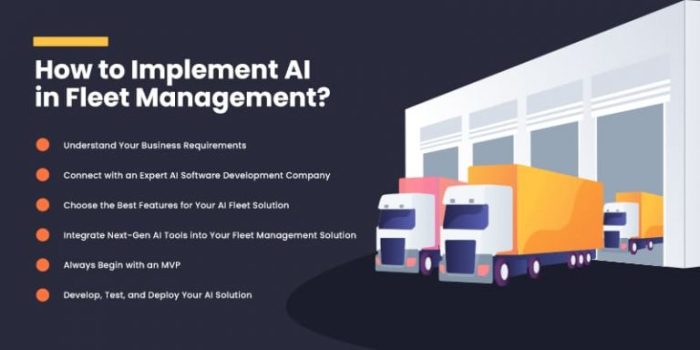
AI plays a crucial role in modern fleet maintenance programs, offering a wide range of benefits that enhance overall efficiency and reduce costs. By leveraging AI technologies, fleet managers can optimize maintenance schedules, predict potential issues before they occur, and streamline operations for better performance.
Improved Maintenance Efficiency
AI-powered tools analyze historical data and real-time information to identify patterns and trends in vehicle maintenance needs. By using predictive analytics, fleet managers can proactively address maintenance issues, reducing downtime and increasing the lifespan of vehicles. This proactive approach helps prevent costly breakdowns and ensures that vehicles are always in optimal condition.
Cost-Saving Opportunities
Implementing AI in fleet maintenance programs can lead to significant cost savings by minimizing unexpected repairs, reducing fuel consumption, and optimizing maintenance schedules. AI-driven predictive maintenance enables fleet managers to address issues before they escalate, saving both time and money.
Additionally, AI tools can help optimize route planning and vehicle utilization, leading to increased efficiency and reduced operational costs.
Examples of AI Tools in Modern Fleet Maintenance
Predictive Maintenance Software
AI algorithms analyze data from sensors and vehicle diagnostics to predict when maintenance is needed, allowing fleet managers to address issues before they become critical.
Telematics Systems
AI-powered telematics systems track vehicle performance in real-time, providing insights into fuel consumption, driver behavior, and maintenance needs.
Autonomous Vehicles
AI-driven autonomous vehicles can perform self-diagnosis and communicate maintenance requirements to fleet managers, enabling proactive maintenance strategies.
Predictive Maintenance with AI
Predictive maintenance with AI involves using advanced algorithms to predict maintenance needs before breakdowns occur, allowing fleet managers to address issues proactively and prevent costly downtime.
AI Algorithms for Predictive Maintenance
AI algorithms such as machine learning models, neural networks, and deep learning techniques are commonly used in predictive maintenance programs. These algorithms analyze historical data, sensor readings, and other inputs to forecast when maintenance is required based on patterns and trends.
Benefits of Predictive Maintenance
- Predictive maintenance reduces downtime by identifying potential issues before they lead to breakdowns, allowing for scheduled maintenance and repairs.
- By predicting maintenance needs in advance, fleet operations can be optimized, leading to improved efficiency and cost savings.
- AI-driven predictive maintenance helps extend the lifespan of fleet assets by ensuring timely interventions and maintenance activities.
AI-Powered Diagnostics and Troubleshooting
AI plays a crucial role in modern fleet maintenance programs by revolutionizing the way vehicles are diagnosed and troubleshooting complex issues
AI in Diagnosing Vehicle Issues
AI assists in diagnosing vehicle issues by analyzing data from sensors and onboard systems in real-time. By monitoring various parameters such as engine performance, fuel consumption, and component wear, AI can detect anomalies and potential problems before they escalate. This proactive approach helps prevent breakdowns and reduce maintenance costs significantly.
Role of AI in Troubleshooting Complex Maintenance Problems
When faced with complex maintenance problems, AI utilizes historical data and maintenance records to identify patterns and root causes. By cross-referencing this information with real-time data from the vehicle's onboard systems, AI can pinpoint the exact cause of the issue and provide maintenance technicians with detailed insights on how to address it effectively.
This streamlined troubleshooting process saves time and minimizes downtime for fleet operations.
Enhanced Decision-Making with AI
AI enhances decision-making for maintenance technicians by providing data-driven recommendations and actionable insights. By analyzing vast amounts of data quickly and accurately, AI can prioritize maintenance tasks, schedule repairs efficiently, and optimize resource allocation. This proactive approach ensures that fleet vehicles are maintained at optimal performance levels, prolonging their lifespan and maximizing operational efficiency.
Data Analytics and AI in Fleet Management
AI plays a crucial role in fleet management by utilizing data analytics to optimize fleet performance and enhance decision-making processes. By analyzing vast amounts of data in real-time, AI-driven analytics provide valuable insights that help improve overall fleet operations.
Optimizing Fleet Performance
AI algorithms can analyze historical maintenance data, fuel consumption patterns, driver behavior, and route efficiency to identify trends and patterns. By processing this information, AI can recommend preventive maintenance schedules, optimize routes for fuel efficiency, and even predict potential breakdowns before they occur.
This proactive approach not only minimizes downtime but also reduces operational costs significantly.
Enhancing Decision-Making Processes
AI empowers fleet managers to make informed decisions based on data-driven insights. By integrating AI-powered analytics tools, managers can track key performance indicators, monitor vehicle health in real-time, and allocate resources effectively. This data-driven approach ensures that decisions are based on accurate information, leading to more efficient operations and improved customer satisfaction.
Examples of AI-Driven Analytics in Fleet Management
- AI algorithms analyzing vehicle telemetry data to detect anomalies and predict maintenance needs.
- Utilizing predictive analytics to optimize vehicle routing and scheduling for improved efficiency.
- Implementing AI-powered driver behavior monitoring systems to enhance safety and reduce accidents.
- Integrating AI-driven fuel management solutions to minimize fuel consumption and reduce operational costs.
Epilogue
In conclusion, The Role of AI in Modern Fleet Maintenance Programs revolutionizes the way we perceive vehicle upkeep, paving the path for a future where technology seamlessly integrates with automotive care.
FAQ
How does AI improve fleet maintenance efficiency?
AI streamlines maintenance processes by analyzing data in real-time, predicting potential issues, and optimizing maintenance schedules.
What are some examples of AI tools used in modern fleet maintenance?
Examples include AI-powered diagnostic systems, predictive maintenance algorithms, and data analytics software tailored for fleet management.
How does AI assist in diagnosing vehicle issues?
AI utilizes data from sensors and historical records to pinpoint potential problems, aiding technicians in efficient troubleshooting and repair.