
As we delve into the realm of ecommerce trends in the US and Europe for this year, a captivating journey awaits. From the evolving landscape to the cutting-edge technologies shaping the industry, this exploration promises to unveil intriguing insights and revelations.
Let's begin by unraveling the key differences between the US and European ecommerce markets and how the pandemic has influenced the trends in these regions. We'll also take a closer look at the dominant ecommerce platforms making waves in both markets.
Current Ecommerce Landscape
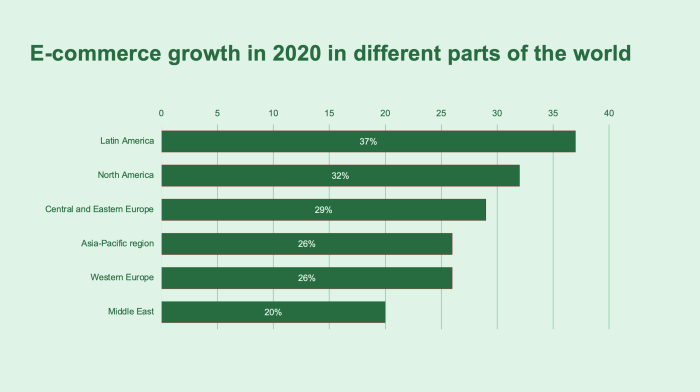
The ecommerce landscape in the US and Europe showcases some key differences in terms of market dynamics, consumer behavior, and platform preferences. The influence of the pandemic has significantly accelerated the shift towards online shopping in both regions, leading to a surge in ecommerce activity.
Let's explore the top ecommerce platforms dominating the US and European markets.
Key Differences Between US and European Ecommerce Markets
When comparing the US and European ecommerce markets, one significant difference lies in consumer preferences and shopping habits. While the US market tends to embrace fast-paced delivery options and a wide range of product choices, European consumers often value sustainability, quality, and personalized shopping experiences.
Additionally, regulatory frameworks and payment methods vary between the two regions, impacting how businesses operate and cater to their target audiences.
Influence of the Pandemic on Ecommerce Trends
The pandemic has reshaped the ecommerce landscape by forcing businesses to adapt to changing consumer behaviors and preferences. With lockdowns and social distancing measures in place, more people turned to online shopping for their everyday needs, leading to a surge in demand for ecommerce services.
This shift towards digital channels has pushed businesses to enhance their online presence, optimize their supply chains, and invest in technologies that offer seamless shopping experiences to consumers.
Top Ecommerce Platforms Dominating the US and European Markets
In the US, ecommerce giants like Amazon, Walmart, and Shopify continue to dominate the market with their vast product offerings, fast delivery options, and user-friendly interfaces. These platforms have established themselves as go-to destinations for online shoppers looking for convenience and variety.
On the other hand, in Europe, platforms such as Zalando, ASOS, and Allegro have gained popularity for their focus on fashion, lifestyle products, and localized services that cater to the diverse preferences of European consumers.
Emerging Technologies
As technology continues to advance, the ecommerce industry is being transformed by various emerging technologies. Let's delve into how these innovations are reshaping the online shopping experience.
AI and Machine Learning
Artificial Intelligence (AI) and Machine Learning are revolutionizing the ecommerce industry by enabling personalized recommendations, predictive analytics, and efficient customer service. AI algorithms analyze customer data to provide tailored product suggestions, leading to higher conversion rates and customer satisfaction.
Augmented Reality (AR) and Virtual Reality (VR)
AR and VR technologies are enhancing online shopping experiences by allowing customers to visualize products in a virtual environment before making a purchase. This immersive experience reduces uncertainty and increases consumer confidence, leading to a decrease in returns and an increase in customer engagement.
Chatbots and Voice Assistants
Chatbots and Voice Assistants play a crucial role in enhancing customer interactions on ecommerce websites. Chatbots provide instant support to customers, answering queries and guiding them through the purchasing process. Voice assistants, like Amazon's Alexa, enable hands-free shopping experiences, making it convenient for consumers to place orders and access product information.
Personalization and Customer Experience
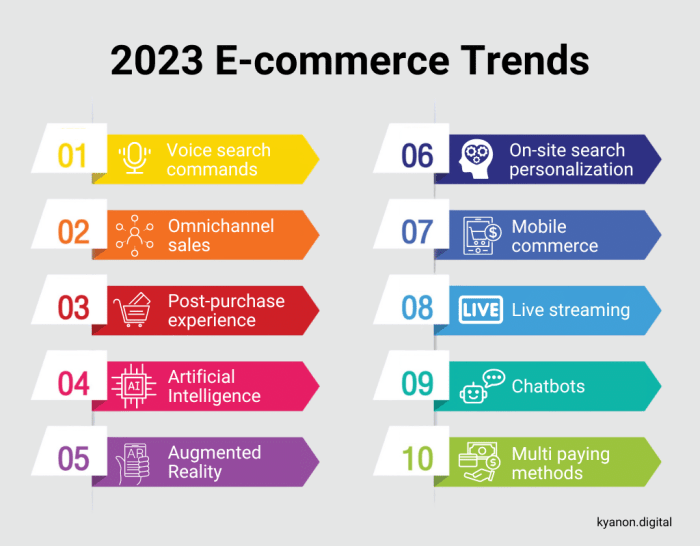
Personalization in ecommerce plays a crucial role in enhancing customer retention and loyalty by tailoring the shopping experience to individual preferences. By leveraging data analytics and customer insights, businesses can create personalized product recommendations, targeted promotions, and customized communication to build stronger relationships with customers.
Seamless Omnichannel Experiences
In the US and Europe, providing seamless omnichannel experiences has become increasingly important for ecommerce businesses. Customers expect a consistent shopping experience across various channels, whether online, mobile, or in-store. By integrating these channels and ensuring a unified brand experience, businesses can meet customer expectations and drive engagement
Enhancing User Experience through Customization
Ecommerce businesses are exploring innovative ways to enhance user experience through customization. This includes offering personalized product configurations, interactive product visualization tools, and virtual try-on experiences. By allowing customers to customize their shopping journey, businesses can create a more engaging and interactive shopping experience, ultimately increasing customer satisfaction and loyalty.
Sustainability and Ethical Practices
In recent years, there has been a significant shift towards sustainable practices and ethical considerations in the ecommerce industry in both the US and Europe. Consumers are increasingly conscious of the environmental impact of their purchases, leading to a growing demand for eco-friendly and ethically sourced products.
Growing Trend of Sustainable Ecommerce Practices
- Ecommerce companies are increasingly focusing on reducing their carbon footprint by optimizing packaging materials and transportation methods.
- Many companies are embracing renewable energy sources and implementing energy-efficient practices in their operations.
- Some ecommerce platforms are partnering with sustainable brands to offer a wider range of environmentally friendly products to consumers.
Consumer Demand for Ethically Sourced Products
- Consumers are showing a preference for products that are ethically sourced, cruelty-free, and produced under fair labor conditions.
- Ethical certifications and transparency in the supply chain are becoming important factors for consumers when making purchasing decisions.
- Ecommerce companies are responding to this demand by providing detailed information about the sourcing and production processes of their products.
Payment Innovations
In the ever-evolving world of ecommerce, payment methods play a crucial role in shaping the overall customer experience. Let's delve into the latest payment innovations making waves in both the US and Europe and how they are transforming the way transactions are conducted online.
Mobile Payment Solutions
Mobile payment solutions have been on the rise, offering customers a convenient and seamless way to make purchases using their smartphones. With the increasing popularity of digital wallets like Apple Pay, Google Pay, and Samsung Pay, consumers can now securely store their payment information and complete transactions with just a tap of their finger.
This shift towards mobile payments has significantly impacted ecommerce transactions by providing a faster and more efficient checkout process, ultimately enhancing the overall shopping experience for customers.
Payment Security Challenges and Solutions
While the convenience of digital payments is undeniable, it also brings about concerns regarding payment security. Cyber threats such as data breaches and identity theft pose a significant risk to both consumers and businesses operating in the ecommerce industry. To address these challenges, companies are implementing advanced security measures such as tokenization, encryption, and biometric authentication to safeguard sensitive payment information.
Additionally, the adoption of technologies like 3D Secure and fraud detection tools are helping to mitigate fraudulent activities and enhance the overall security of online transactions.
End of Discussion
In conclusion, the dynamic interplay of emerging technologies, customer-centric strategies, sustainability initiatives, and innovative payment solutions underscores the multifaceted nature of ecommerce trends in the US and Europe this year. As we navigate through these trends, one thing remains clear: the landscape of ecommerce is constantly evolving, offering endless possibilities for businesses and consumers alike.
Expert Answers
What are the key differences between the US and European ecommerce markets?
The US market is characterized by a larger population of online shoppers, while Europe tends to have a more fragmented market with diverse preferences and regulations.
How has the pandemic impacted ecommerce trends in the US and Europe?
The pandemic accelerated the shift towards online shopping in both regions, leading to increased digital adoption and a surge in e-commerce sales.
What are the latest payment methods gaining popularity in the US and Europe?
Contactless payments, digital wallets, and buy now, pay later options are among the popular payment methods gaining traction in both the US and Europe.